Wednesday, November 16, 2022

Breast Cancer Fight: Surgical Drains Removal After Mastectomy and Breast Reconstruction


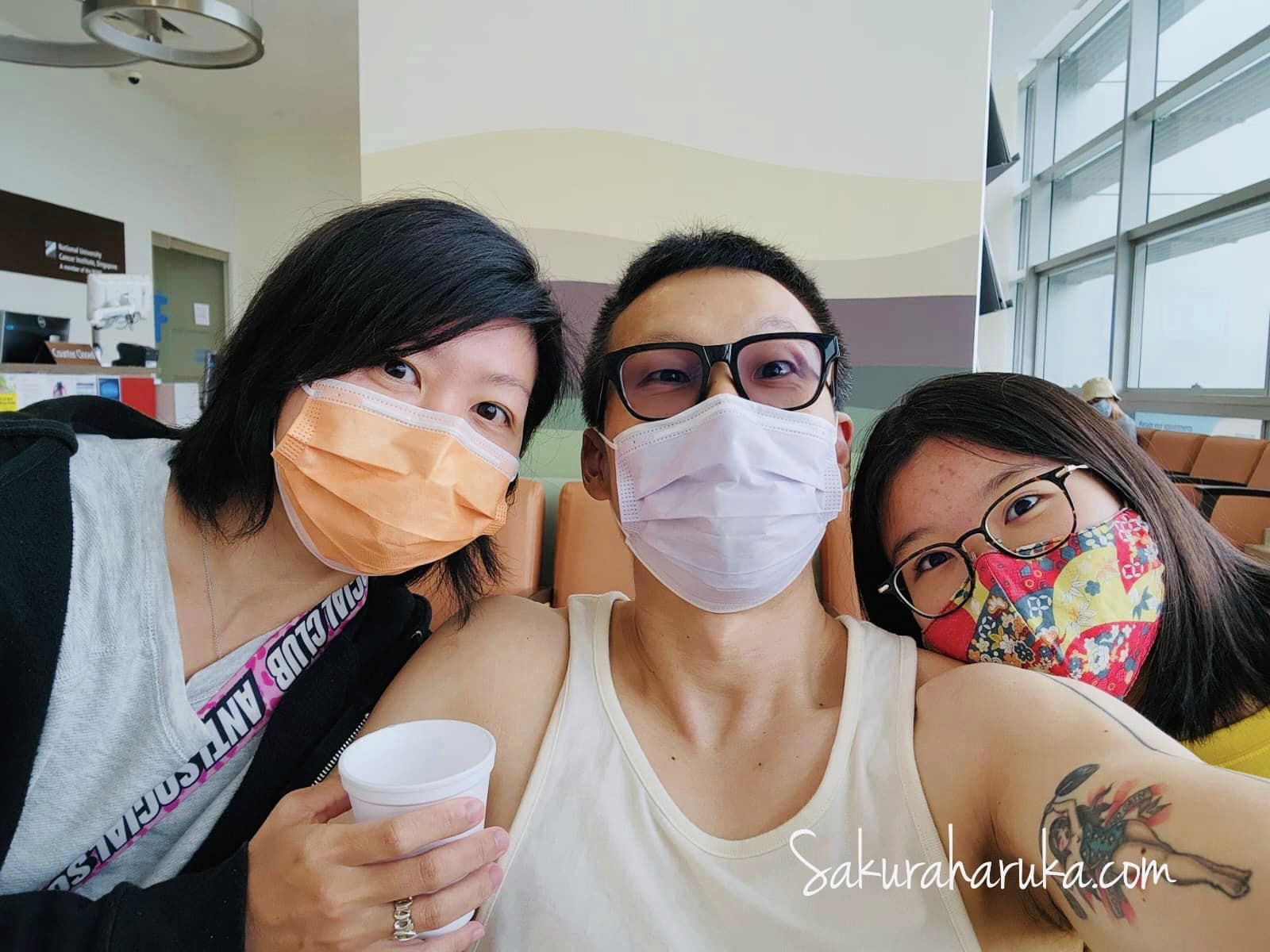
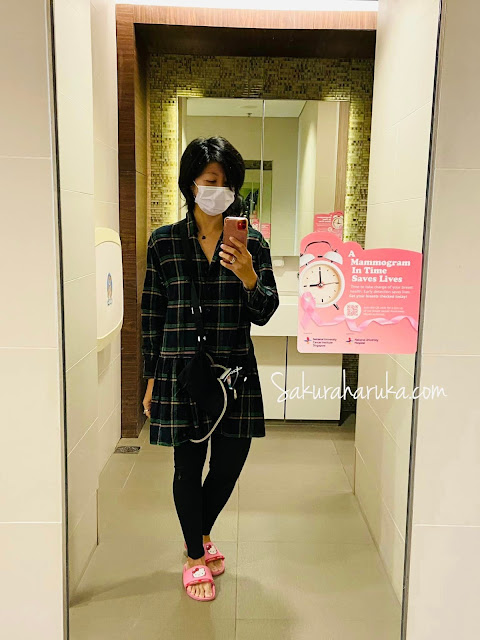
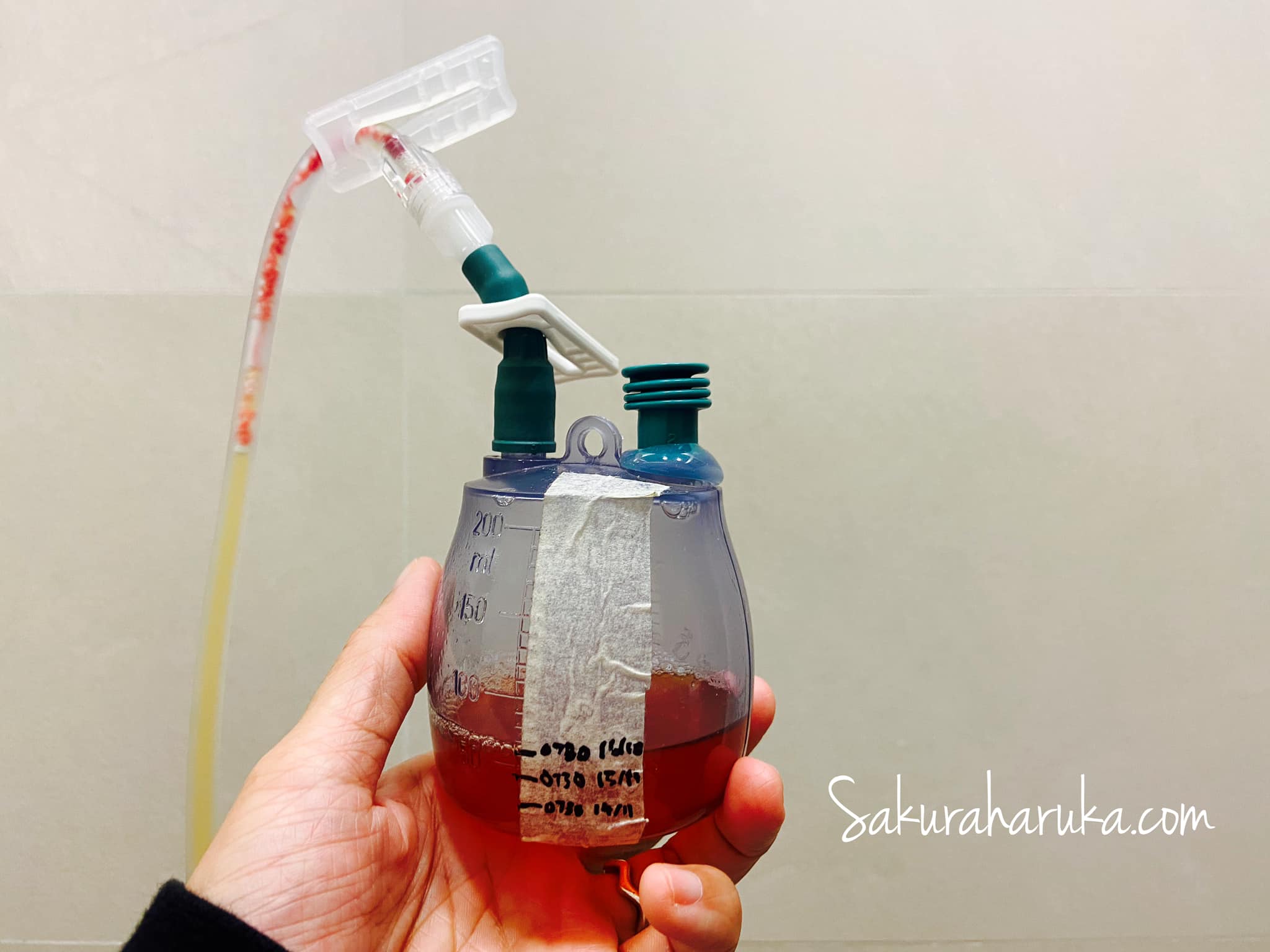
After what seems like a very long time, I finally got to remove my surgical drain after nearly 3 weeks during my visit with Dr Jane on Wed 16 Nov 2022! *throws confetti* 

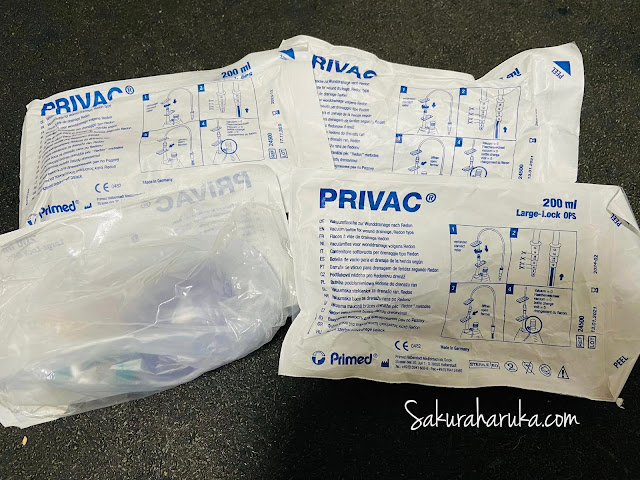
Surgical drains are tubes inserted into the soft tissue of your breast after surgery to help drain excess fluids that build up inside your body. This fluid is normal and fills the space where breast tissue was removed during surgery. If not drained properly, excess fluid may misshapen implants, cause infections, and other complications. 

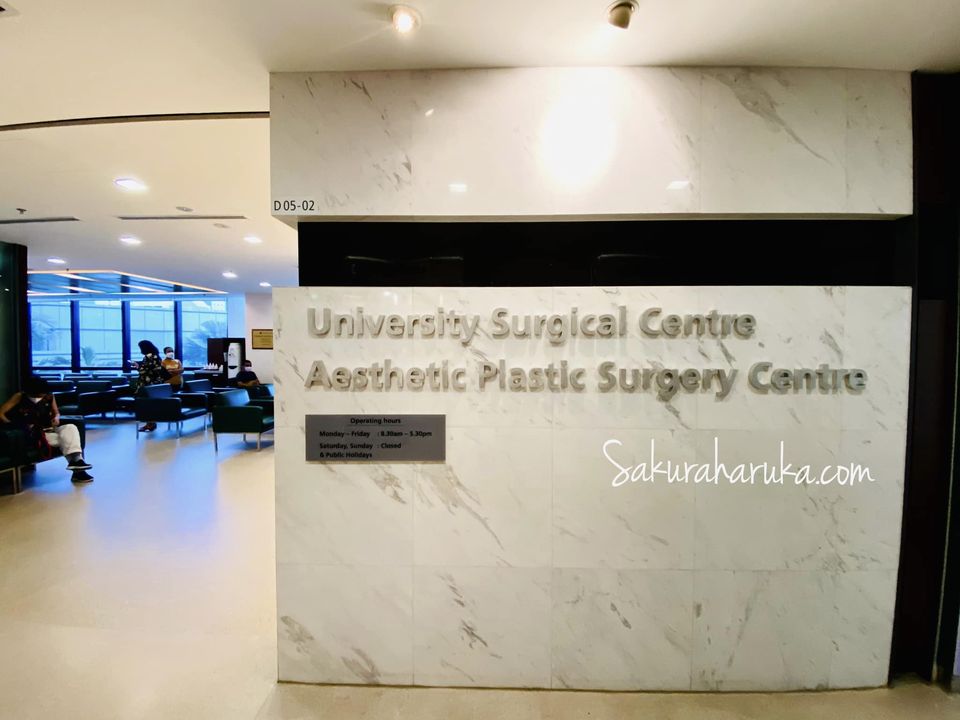
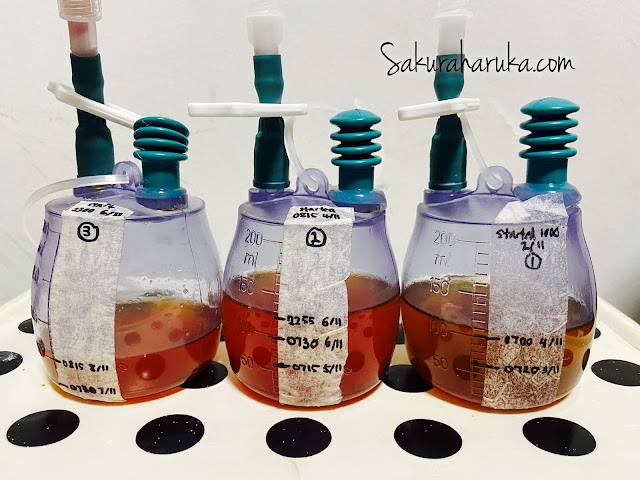
Drains are left in until the fluid output reaches a low level. This is usually less than 20-30ml per day for two consecutive days, but according to a nurse at NUH Aesthetic Plastic Surgery Clinic, they prefer to take it out when it's about 10-20ml for a few consecutive days. Most drains are removed one to three weeks after surgery. If they stay in longer than three weeks, the risk of infection increases.

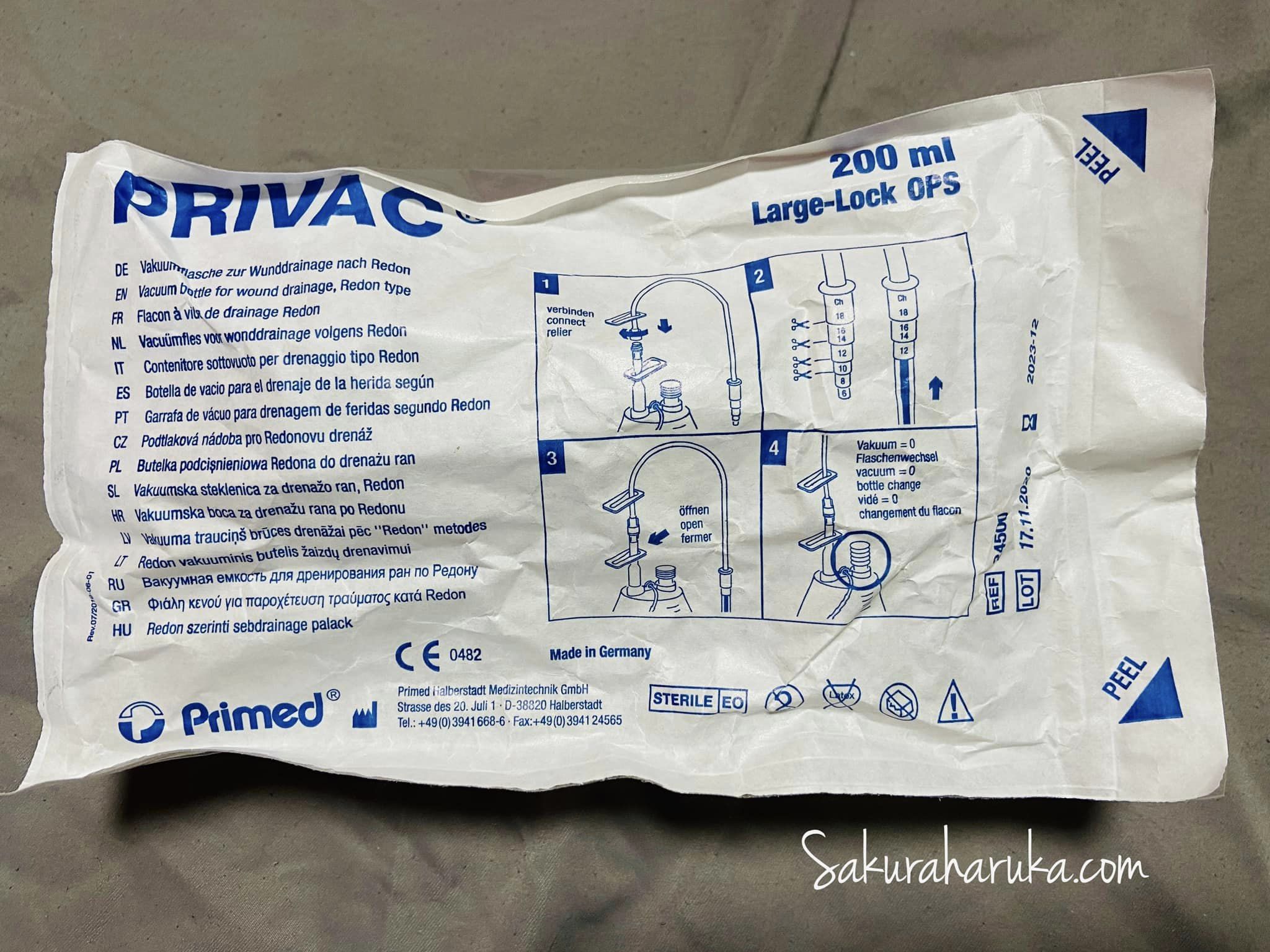
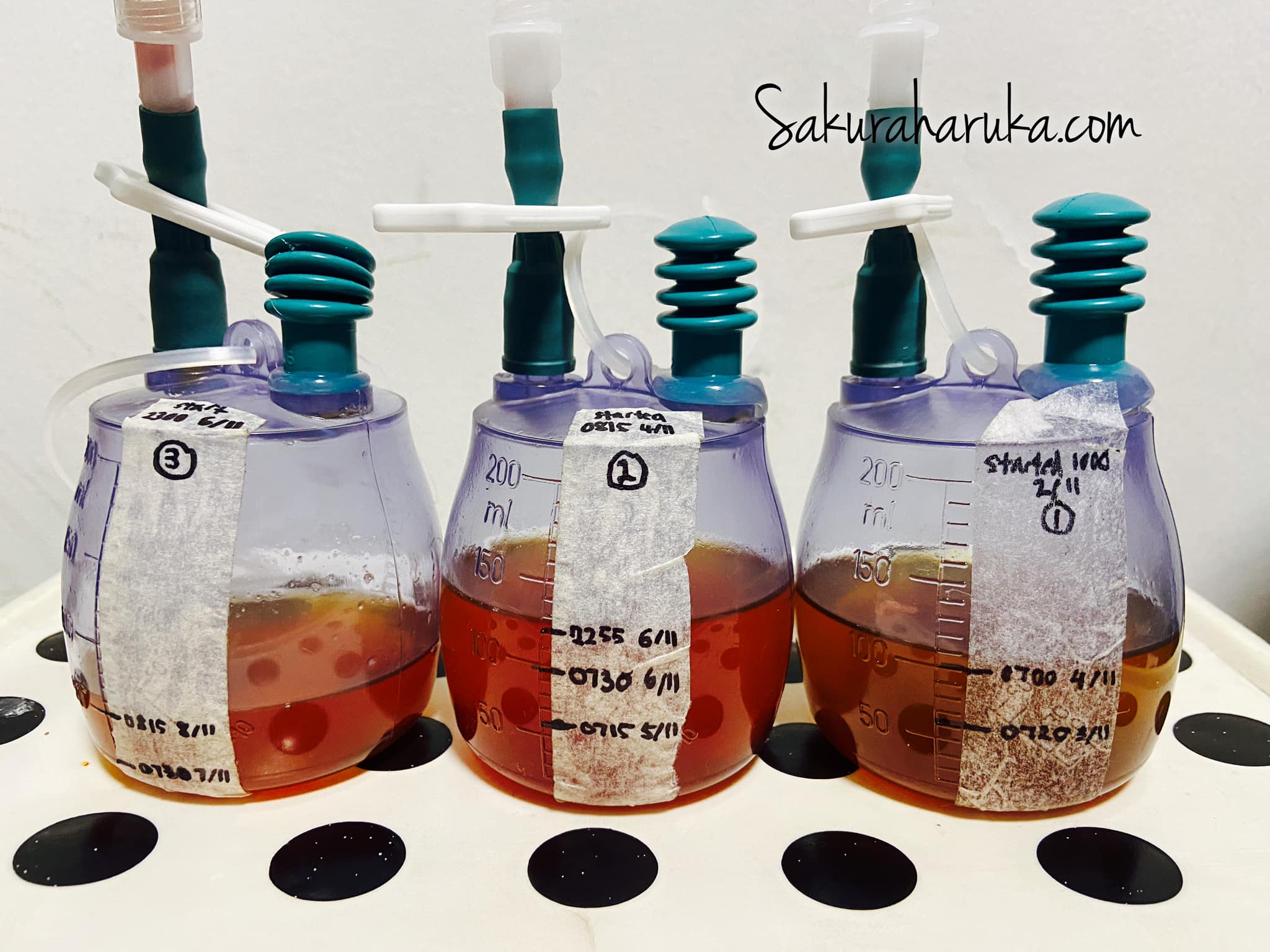
For the last few days, my fluid output was about 15-20ml. I think for the past 3 weeks, I used about 7 x 200ml bottles.. not to the full capacity but I changed about every 2-3 days when the suction cap popped out. 

The drain was inserted quite high up my chest and I thought it would be rather painful when Dr Jane removed it. However, it was really quick and I didn't feel a thing at all! Thank God for no infection either. 
So so happy to finally have it removed (◕‿◕) It was more troublesome than painful...

The drain hole where the drain is inserted into my skin is just below my left breast, on my top abs. During the first few days of surgery, it hurt slightly especially when I needed to crunch and move to sit up or lie down. After a few days, the pain subsided there but in the last few days, the drain site actually felt rather uncomfortably like something was poking at my skin, especially when I was lying down. Think it was the needle head. Did not require pain medication though. 

Dr Jane removed the surgery wound dressing and today I got to see my full left breast while standing for the first time when I went home. My skin has "fluffed" up more since surgery so the bottom part of my left breast's shape and size is similar to my right breast. However, the top part still looks kinda flat since there's no more breast fat tissue there, and my left nipple is much higher than the right so it looks really weird. Reminds me of Quasimodo... 

The first few days I felt so emotional over it. Probably from the shock of seeing how "bad" it was and sadness in my body change. I felt so ugly and such a "freak". 

I'm usually quite body-positive and take all my fat, scars, injuries and imperfections in my stride but this really tore me down. Don't get me wrong, I am grateful and I know I know... it could be much worst and the most important thing is that I can be healthy again, but still... it will need getting used to. 

Hopefully it will look slightly better once the implant settles properly. Dr Jane said we can add fat to fill out the empty space too next time. Oh well.

I told her that Dr Mikael thinks the tiny lump was due to fat necrosis and the skin discolouration was due to the injected dye used to locate my sentinel lymph node. She does not think so since there is no breast fat left in my left breast, and the discolouration doesn't look like that from the injected dye.

Anyway, Dr Jane was ready to remove the tiny lump but it seems to have gotten less smaller/ visible since my last visit. We will monitor and see how it goes and decide if I should remove it at my next visit with her 3 months later. If Dr Mikael wants to do anything to the lump when I see him next month, she said that she needs to be there just in case it affects the implant.

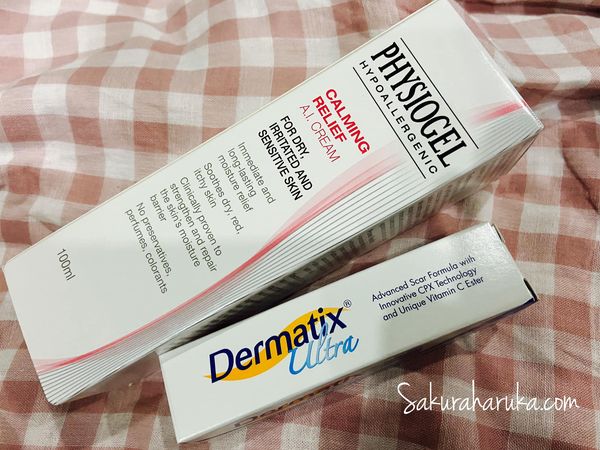
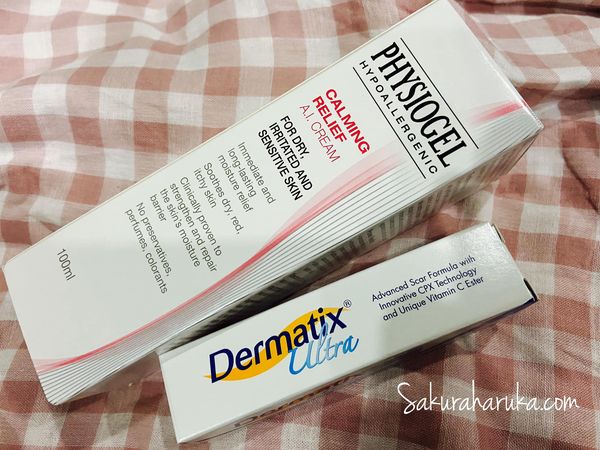
Dr Jane prescribed Dermatix Ultra {$80.25 per 15g gel tube - should last 2 months} for my scar-healing and Physiogel AI {$57.65 per 100ml cream tube} for the dry skin on my left breast. I can apply both 1-2x a day after showers. 

She also gave the go-ahead for me to start chemotherapy
 
Dr Jane 4th visit cost {including consumables & medicine}: S$433.88

*****

Follow my breast cancer fight on the blog, Facebook or Instagram {#AiFightsCancer}

Before mastectomy and breast reconstruction surgeries

After mastectomy and breast reconstruction surgeries
Surgical Drains Removal After Mastectomy and Breast Reconstruction 

 

Monday, November 14, 2022

Breast Cancer Fight: Adjuvant Chemotherapy and Herceptin Injections After Mastectomy


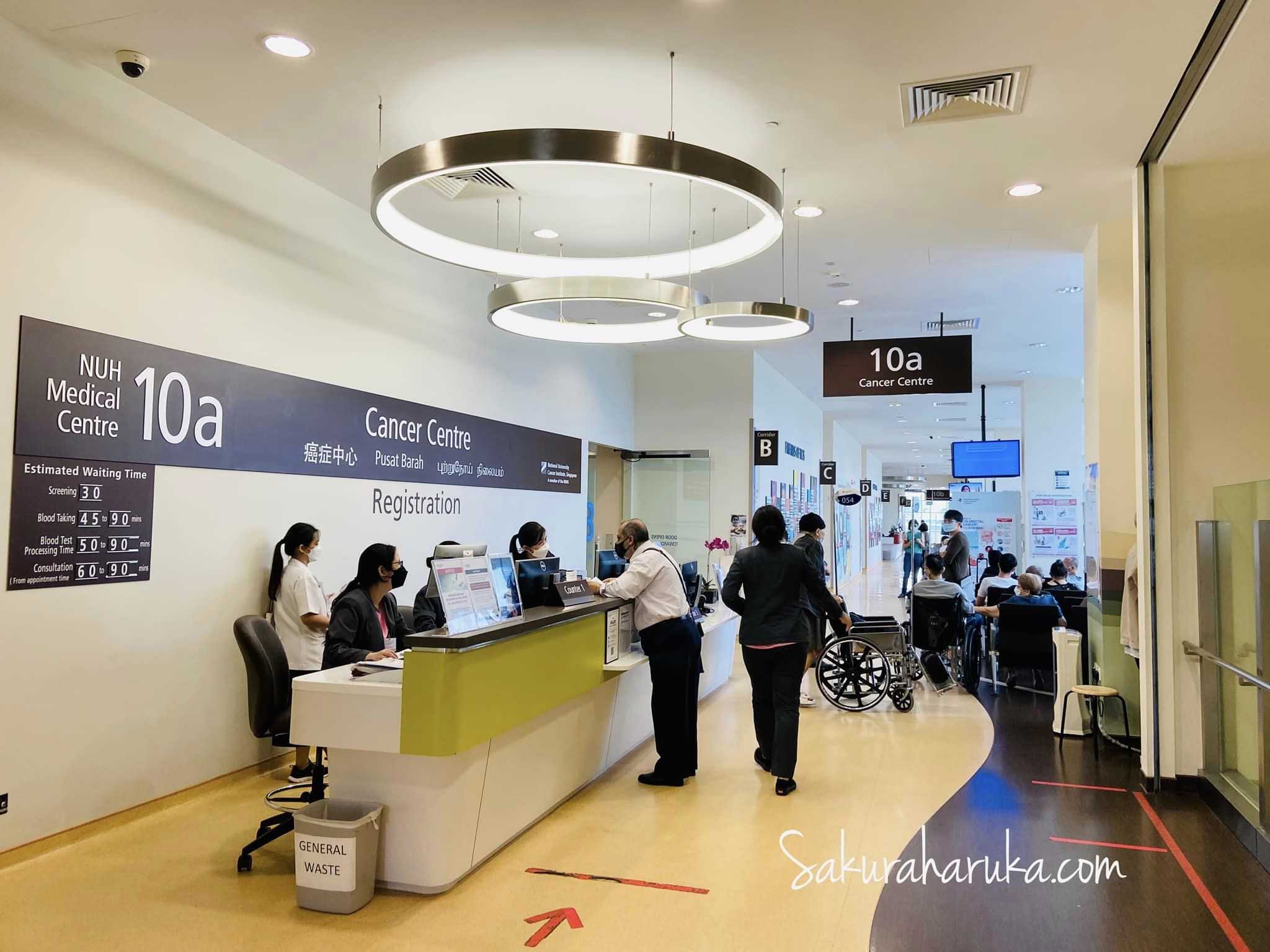
Every time I go to the National University Cancer Institute, Singapore {NCIS} to meet Dr Samuel, it is always so terribly crowded.

My appointment with him on Mon 14 Nov 2022 was at 3pm, so I registered via the OneNUHS app around 2pm, and we arrived there at 2.45pm. Lil Pumpkin came with us this time as she had her science enrichment class in the evening and we wanted to send her to class after my appointment. 

I did my heart-rate and blood pressure screening, then waited until 3.40pm to see Dr Samuel. While waiting, 2 students/ research assistants?? approached me to take part in their respective surveys or research studies on cancer. 

Is this because NUH is a teaching hospital? I had already taken part in a breast cancer research study previously when one of Dr Mikael's students approached me last time and even gave my blood, but these 2 students/ research assistants were not related at all to my doctors, but seemed to already know my name and background of my case... hmmm, I wonder if this will happen frequently whenever I'm at NCIS or the Breast Care Centre.  


My meeting with Dr Samuel gave a clearer view on the follow-up treatment after my mastectomy and breast reconstruction surgeries.

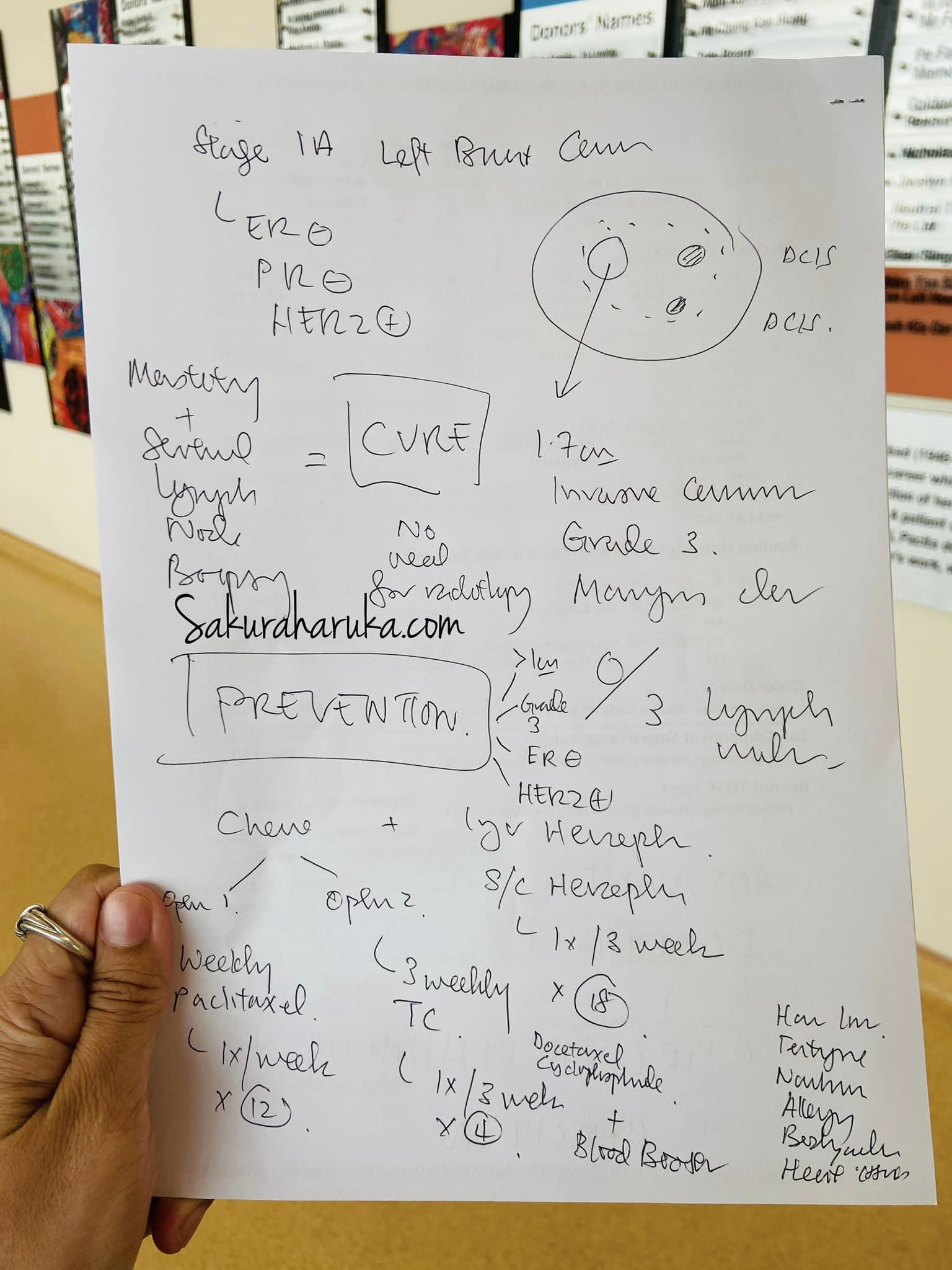
Basically, based on the Surgical Pathology Report, I have Stage 1A left breast cancer. My mastectomy surgery was a success {part 1 and part 2} and since my sentinel lymph node biopsy showed no spread of the cancer, I am currently considered cured and there is no need for radiotherapy

However, as the largest cancerous tumour was more than 1cm {1.7cm to be exact}, and I have HER2+ and ER- {so not positive for hormone receptors making hormone therapy ineffective} grade 3 breast cancer, the cancer is considered aggressive and I need to undergo adjuvant chemotherapy and herceptin injections to lower the chance of the cancer returning, and to improve the outcome of first-line treatment i.e. my mastectomy. 

The total length for this post-surgery part of my treatment is about 1 year. 

Adjuvant chemotherapy is when you get chemo after the primary treatment, usually surgery. Sometimes cancer cells can be left behind after surgery. It’s also possible that cancer cells may be circulating in the bloodstream or lymphatic system so the traveling cancer cells don’t show up on imaging tests. Without follow-up treatment, they can find their way to distant organs to form new tumors. 

Since I have early stage cancer, Dr Samuel planned for me to undergo chemotherapy for 3 months, instead of a longer regimen. 

I will do a TC Regimen, which consists of two drugs - Docetaxel and Cyclophosphamide. This will be given intravenously once every 3 weeks, for 4 cycles. Dr Samuel said each session may take around 4-5 hours, including time to use a cooling cap to help reduce chemotherapy-related hair loss. 

Charlene actually went through the chemo same treatment for her breast cancer {but her surgery and breast reconstruction procedures were different}, and she said her first session took 7 hours! Goodness.. subsequently, it took around 5-6 hours zzzzz The boy said I should bring an iPad to pass the time, but Charlene also said the drugs made her sleepy so can nap haha.. 

Before each chemo cycle, I've to do a hormone shot to make my ovaries "sleep" as the chemo may cause premature menopause, and screen my blood and heart to make sure that I'm fit enough for the chemotheraphy cycle. A day after the session, I have to take a blood booster to help boost my immune system as it will be drastically compromised during chemo. Dr Samuel said the boy can help to administer this at home. 

Other side effects of chemotherapy include allergy, fatigue, increased risk of bruising or bleeding, nausea or vomiting, bladder inflammation, mouth ulcers, body aches or joint pain, numbness or tingling in the hands/ feet etc. 

Oh well. We gotta do what we gotta do. 

Concurrent with my TC regimen chemotherapy, I have to take a Herceptin jab every 3 weeks for 18 rounds. This treatment course is known as “AC➝TH”. 

Herceptin is a HER2 inhibitor targeted therapy. It works against HER2+ breast cancers by blocking the ability of the cancer cells to receive chemical signals that tell the cells to grow.

It may cause severe problems with the heart, lung problems and low white blood cell counts. Other common side effects are nausea or vomiting, headaches, shortness of breath, fatigue, rash, muscle pain, diarrhea, fever etc.     

My oh my. The second part of my treatment sounds really dreadful and makes my surgery experience seem like a breeze?!! I mean... apart from the trauma of losing a body part (ToT)

Really praying for strength and positivity to overcome the next year... please pray for me too.


As I still have my drainage tube zzzz, I've to check with Dr Jane on Wed 16 Nov 2022 if my wounds would have healed in time for my chemotherapy to start on Mon 5 Dec 2022. 

I can only start chemotherapy if my wounds have completely healed, and I clear my heart and blood tests. 

Dr Samuel 3rd visit: S$99.51

*****

Follow my breast cancer fight on the blog, Facebook or Instagram {#AiFightsCancer}

Before mastectomy and breast reconstruction surgeries

After mastectomy and breast reconstruction surgeries
Surgical Drains Removal After Mastectomy and Breast Reconstruction 
 

Tuesday, November 8, 2022

Breast Cancer Fight: Fat Necrosis and Prolonged Skin Discolouration Due to Dye?


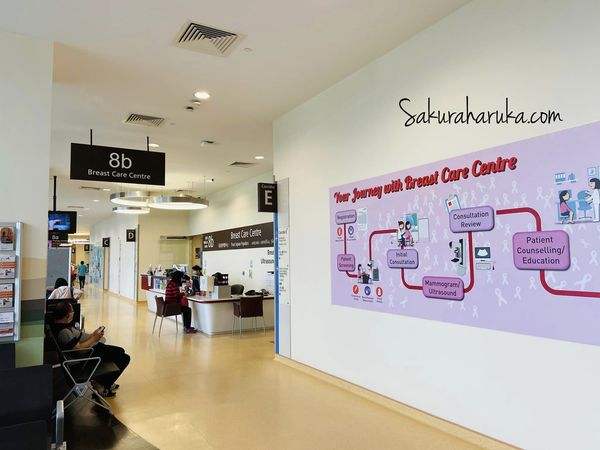
I met Dr Mikael about 1.5 weeks after I was discharged for my mastectomy and breast reconstruction surgeries {read about part 1 and part 2} on Tue 8 Nov 2022 at NUH Breast Care Centre.

Registered via the OneNUHS app early about 8.30am, but still saw him around the appointment time at 9.50am. He was assisted by Nurse Zhenna today. 

He started off by telling me briefly that the Surgical Pathological Report shows that the cancer has not spread beyond the breast area into my sentinel lymph nodes, so that is good and it is likely pathological Stage 1 cancer

Even then, as my breast cancer type is aggressive, I would still need to do chemotherapy. It's ok, I understood that from the beginning and have come to terms with it.  

Then we talked briefly about the tiny lump and skin discolouration and what Dr Jane told me about them before he examined my surgery wounds and left breast. 

He cannot confirm without further testing, but thinks that the tiny lump may be due to fat necrosis. Fat necrosis is a benign condition that most commonly develops after an injury or trauma to the breast tissue. A lump can form if an area of the fatty breast tissue is damaged, for example like when I went for my surgeries. It could be a round, firm lump... but as mine is round but soft, I think it might also be an oil cyst due to the fat necrosis?

Dr Mikael didn't seem worried about it and said we can monitor and see how it goes. At my next appointment with him, he can also arrange for an ultrasound to check it out further. He is not sure if it will disappear on its own, although it might. 

For my skin discolouration, he said it might also be bruising or caused by the injected dye used to locate the sentinel nodes. By right the dye leaves the body on its own 24-48 hours after the surgery, however sometimes there may be blue dye staining of the skin on the breast which may last even up to 3 years, I've read. Again, it is harmless and since it is not causing me any pain or discomfort, Dr Mikael is not too concerned over it.


After that, I told him about having to change the drainage bottle every 2 days and he said that it's a fine balance between keeping the drainage tube in until the fluid output is at a low enough level, and taking it out early to prevent infection or complications from having an open wound and a foreign object {the drainage tube} in the body. Most drains come out 1-3 weeks after surgery. 

I sense that he thinks the tube can/ should? come out this week but as Dr Jane isn't around and my appointment with her is next Wed, I should leave it in as she planned. Nurse Zhenna also said that the Aesthetics Clinic prefer to leave the tubes in until the output is very low.

Later when I went back to Aesthetics Clinic to get 4 more bottles to last me through the week the nurse there also said they would usually take the tube out when the output is about 10-20ml for a few days. Oh, the nurse there also said that they prefer patients not wipe the tube and bottle tips with alcohol wipes, unlike what the ward teaches. 

Currently for the last 2 days, my drainage fluid output is about 30ml/day. 

I checked with Dr Mikael to see if increased activity would cause an increase in fluid output. He said it's hard to say as it has a "life of its own" but doing activities is good as it aids recovery. 

He even said I can cycle now if I want! Just that it is impractical with my drainage tube and bottle, and that if I do I should take it easy.


I asked him about a scar cream for lightening my scars as I think my scar for the sentinel lymph node dissection incision looks like it is forming a keloid. He recommended Dermatix but said I should ask Dr Jane about it at my next appointment with her. 

Hmmm.. I think regarding anything about my wounds or scars, since Dr Jane is the care doctor as she did the last surgery after him and "closed me up", he doesn't want to overstep and leave all the surgery wound healing after-care decisions to her. Fair enough. If I just did the mastectomy, he would take control of the decisions I feel. 

Anyway, he also said that I can start massaging my scar tissue gently next week. Scarring is part of the body's natural healing process after tissue is damaged. When the skin is wounded, the tissues break, which causes a protein called collagen to be released. Collagen builds up where the tissue is damaged, helping to heal and strengthen the wound. 

However, unlike healthy tissue, scar tissue forms in random, criss-crossing patterns. It is not as flexible or as functional as the tissue that it is replacing. It has poor circulation, which limits the supply of fresh oxygen and nutrients. Scar tissue also is more sensitive to pain because it has more pain receptors than the original tissues, and it tightens up when you sleep. 

Sooo.. it not only can cause more pain, but also limit the normal function of the muscle or area. Already I feel a bit stiff and tight when I lift my arms due to the scar tissue forming where the sentinel lymph node dissection occurred, and a bit at my chest area..  

In other words, scar tissue is helpful when the wound is healing. However, too much left after the wound has healed isn't good as it can cause you to be stiffer and lose your range of motion. 

In regards to lymphoedema due to my sentinel lymph node dissection, he said the risk is very low and I can treat my arm as per normal. He even said I can still tattoo my left arm more if I want in the future hahaha 

Overall, my wounds are healing and I barely feel any pain or even soreness nowadays. I think in part this is due to the severing of the nerves that provide feeling to my breast and nipple. When nerves are severed, nerve signals are disrupted. This can result in numbness and permanent loss of sensation to the breast area... 

Maybe just some heaviness when I wake up due to some fluid build-up when I sleep. More discomfort from not being to exercise/ bathe properly, and slight irritation from having to drag a drainage tube and bottle everywhere.  

Sometimes, I do feel rather sad when I look at my body and see all the scars and wounds, and how different my boobs look and feel from one another... but I try to stay positive and just focus on the good.

There is still a long, hard way to go with the second part of my treatment - chemotherapy.  

Dr Mikael 3rd visit cost: S$108.05

*****
Follow my breast cancer fight on the blog, Facebook or Instagram {#AiFightsCancer}

Before mastectomy and breast reconstruction surgeries

After mastectomy and breast reconstruction surgeries
   

Wednesday, November 2, 2022

Breast Cancer Fight: Skin Discolouration and Tiny Lump After Surgery


My first appointment with Dr Jane after being discharged from the hospital was supposed to be on Fri 4 Nov 2022. However, as I noticed some skin discolouration {faint blue-black} and tiny lump {0.5cm?} below my nipple on Tue 1 Nov 2022, I emailed Dr Jane and Nurse Jessica from the Aesthetics Plastic Surgery Clinic with a picture to ask if it was ok.

I wasn't too worried over it that I wanted to go in for an emergency visit, but just disturbed enough that I had to ask. 

I had kind of noticed the lump in the hospital but it seemed a bit more obvious at home maybe because I changed out of my clothes and looked at my wounds more. In the hospital usually the doctors or nurses would check my wounds. Plus the lights are usually dimmer. 

Dr Jane had previously mentioned that because my skin was thin after the mastectomy, there was a possibility that the implant would show through as a blue-ish or grey tinge. 

Even though I had an under-the-muscle breast implant for reconstruction, Dr Mikael had cut away the lower part of my chest muscle as the some of the cancerous breast lumps was resting on it. Thus, not all of the implant can be covered by muscle and was actually directly under my thin skin. 

Anyway, that skin discolouration might just be the implant showing through... but I was also worried that it might be post-surgery skin necrosis. 

After a mastectomy with immediate breast reconstruction, sometimes the breast skin doesn’t heal properly because the network of blood vessels that supply blood to the tissue were damaged. The skin may have been thinned too much when tissue was removed during the mastectomy, like mine. When there isn’t enough blood flow to the skin, portions of the skin can wither and scab. This is a significant problem after mastectomy. 

I did not experience common early signs of skin necrosis like swelling, redness, pain, warmth at the surgery site or a fever that day though.  

Later that afternoon, Nurse Jessica called to tell me that she checked with Dr Jane who said that the lump could be from the drainage tube. However, Dr Jane asked me to come in earlier on Wed 3 Nov 2022 to have a better look. I agreed and Nurse Jessica helped me to reschedule my appointment. Dr Jane also replied my email that she couldn't really tell for sure from the picture what was happening and also asked me to come in the next day.  

On Wed 2 Nov, I registered about 9.30am to see Dr Jane even though my appointment was at 10.30am since there wasn't much to do. Luckily, Dr Jane was free and saw me earlier.

She was relieved to see that the skin discolouration was just the faint blue-black and not purplish or red as that would mean that it might be skin necrosis. It was just the implant showing through as I had thought as well. In the future, I could add on fat as another layer to "pad" my left breast up if the discolouration bothered me or if I wanted "extra protection"... but that would be another day surgery at least a year later. 


As 5 days had already passed since the surgeries, Dr Jane said that it was fine for her to open and change the dressing. 

That day was the first time I saw the long incision across my left breast that was used for the mastectomy and breast reconstruction surgeries. Other than some dead black skin at the end of the incision and on my nipple that Dr Jane said would scab away, the wound was healing well with no infection and my nipple was saved. Hurray! 

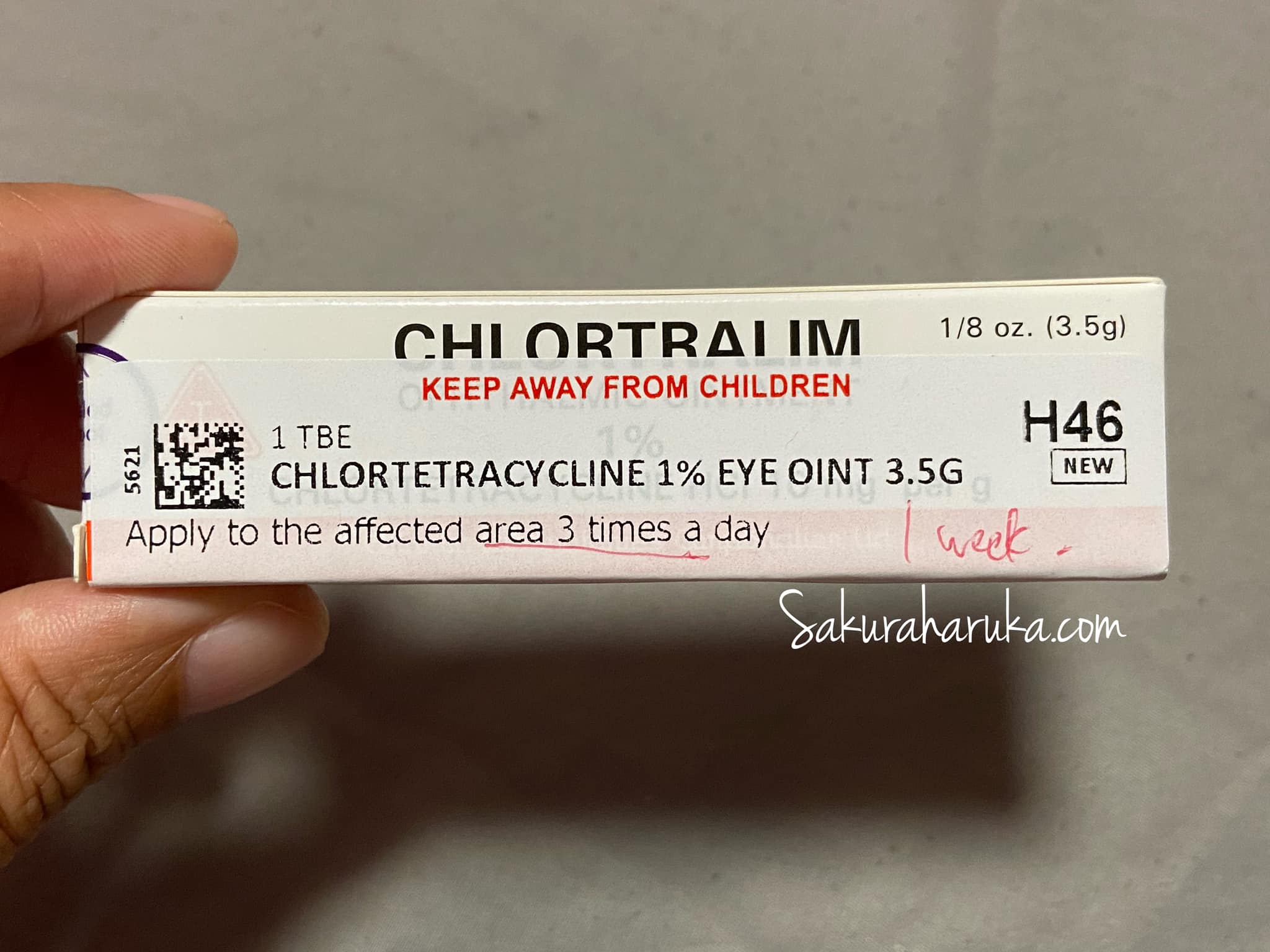
Dr Jane took off the dressing completely for the cut that they made under my armpits to take out my lymph nodes as that one has closed already and the dressing was causing a small blister. She gave me a small tube of Chlortralim ointment which is an antibiotic that works by stopping the growth of bacteria to apply at the wound and blister twice a day... forgot I already had a tube at home from the big bag of medicine prescribed when I was discharged.  


The nurse assisting her also helped to change my drainage bottle and Dr Jane issued me another 3 extra bottles to use at home, just in case. She had checked the wound where my drainage tube came out and said that there was no leakage there, and couldn't tell for sure why the suction cap popped so fast the day after I left the hospital.  

I like Dr Jane as she is very friendly and has a cheeky sense of humour, even though she is obviously a very experienced and knowledgeable doctor. No air of arrogance or rudeness around her. I joked with her that the drainage bottle was like my pet Tamagotchi - I had to bring it around everywhere and "feed it" with me... and she just laughed. 

At first, she thought that perhaps the small lump was from the drainage tube inside my body or a marker from the implant. However, she realised that the implant marker was somewhere else and she didn't know what that small lump was. Dr Jane will talk to Dr Mikael to see what it could be. 

Case in point of her cheekiness? She drew a tiny smiley face over the small lump to mark it out for Dr Mikael to see during my appointment with him on Tue 8 Nov 2022 hahaha. 

As she was going away for a conference 6-15 Nov, my next appointment with Dr Jane is on Wed 16 Nov 2022. She didn't think that my wound dressing needed any changing until then but if something happened and I needed to see a doctor while she was away, her colleague, Dr Yap Yan Lin, would be around on Mon 8 Nov or Wed 10 Nov. 

Dr Jane also gave me a copy of my Surgical Pathological Report to have a look before my meeting with Dr Mikael, who will go through it with me. 

Dr Jane 3rd visit cost {including consumables & medicine}: S$193.38

*****
Follow my breast cancer fight on the blog, Facebook or Instagram {#AiFightsCancer}

Before mastectomy and breast reconstruction surgeries
After mastectomy and breast reconstruction surgeries